

Table of Contents
- Why Verifying Pet Product Authenticity Matters
- Step 1: How to Evaluate Pet Food Labels for Authenticity
- Step 2: How to Check Pet Product Seller Credibility
- Step 3: How to Identify Counterfeit Pet Medication
- Step 4: How to Choose Trustworthy Pet Supplements
- Step 5: Inspect Packaging, Seals, and Expiration Details
- Step 6: What to Do If You Suspect a Counterfeit or Unsafe Product
- Step 7: After Your Pet Uses a Suspect Product
- Frequently Asked Questions
Last Updated: October 11, 2026
Why Verifying Pet Product Authenticity Matters
Counterfeit pet products are everywhere. From fake medications to knockoff supplements, unsafe items make their way into homes every single day. The stakes are real. A counterfeit pet product might contain the wrong dosage or harmful fillers. This guide teaches you to verify pet product authenticity in minutes, ensuring every product you give your pet is genuine and safe.
Step 1: How to Evaluate Pet Food Labels for Authenticity
Start with the ingredient list. A genuine pet food label lists ingredients in order by weight. Look for specific meat names on the label. Check the ingredient panel for consistency. Verify the ingredient sourcing claims and check for AAFCO certification. Many premium brands state where they source their meat.
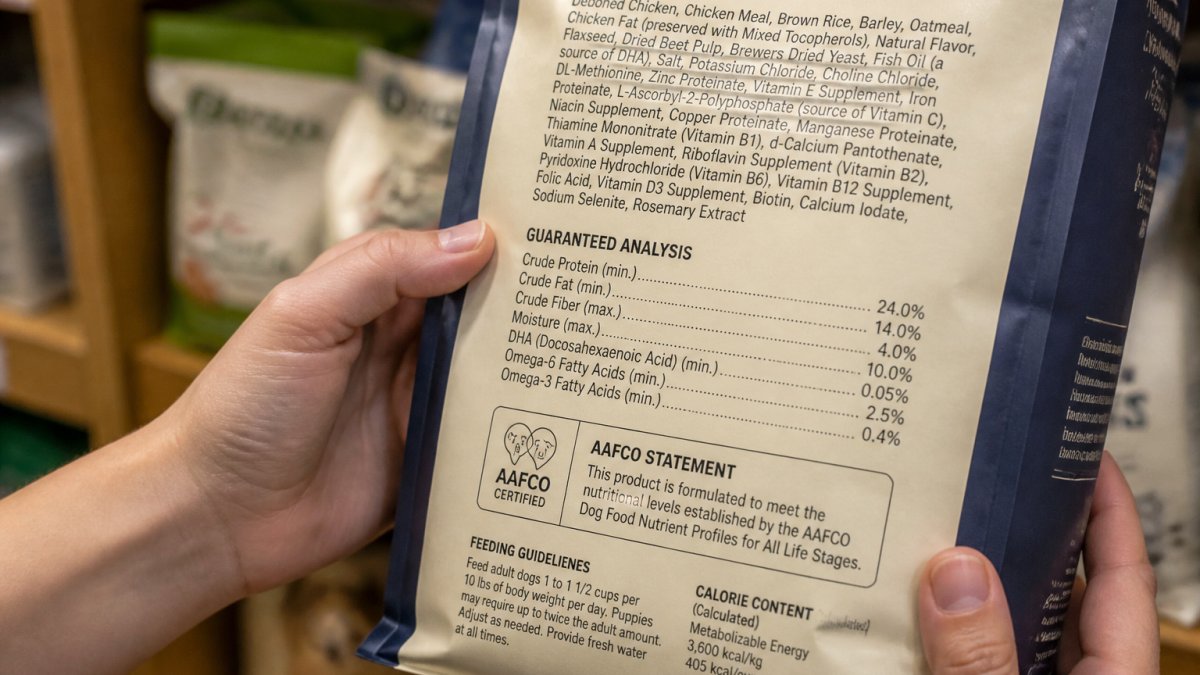
Check the ingredient list and named meat sources
Look for specific meat names on the label and check the ingredient panel for consistency. Verify the ingredient sourcing claims.
Verify AAFCO certification and quality standards
The Association of American Feed Control Officials (AAFCO) sets nutrition standards for pet food. Look for the AAFCO statement on the package. Real labels include specific language about the product's life stage and purpose. Look for third-party quality certifications.
Step 2: How to Check Pet Product Seller Credibility
Where you buy matters as much as what you buy. Buying from unauthorized sellers puts your pet at risk due to counterfeit products. Verify authorized retailer status with manufacturers and check their return policies.
Verify authorized retailer status with the manufacturer
Visit the brand's official website. Look for a "Where to Buy" or "Authorized Retailers" page. Call the manufacturer to confirm if the seller is authorized.
Review seller ratings and return policies
Read recent reviews on the seller's platform. Check the return policy. Legitimate sellers stand behind their products and offer returns or refunds.
Step 3: How to Identify Counterfeit Pet Medication
Pet medications are often counterfeited. Examine the package closely and look for security features. Verify prescription medications through your veterinarian.
Inspect packaging, serial numbers, and batch codes
Look for a serial number or batch code. Check for security features.
Verify prescription medication through your veterinarian
Never buy prescription medications online unless recommended by your vet. Their insight can help prevent counterfeits.
Step 4: How to Choose Trustworthy Pet Supplements
Pet supplements are less regulated than medications. Look for third-party testing and certifications.
Look for third-party testing and audit verification
Check the manufacturer's website for test results. Verify the testing organization.
Step 5: Inspect Packaging, Seals, and Expiration Details
Check seals and inspect the packaging for signs of tampering.
Check for signs of tampering or damage
Examine the seal and packaging; signs of damage can indicate counterfeit products.
Verify lot numbers and expiration dates
Check expiration dates and verify lot numbers against the brand's website.
Step 6: What to Do If You Suspect a Counterfeit or Unsafe Product
Document the issue and contact the manufacturer. Report to the FDA or relevant regulatory body if needed.