

Table of Contents
- Why Indoor Cats Need Regular Activity
- Interactive Play: The Foundation for Active Cats
- Indoor Cat Enrichment Ideas Beyond Basic Toys
- How to Exercise an Indoor Cat Daily
- Cat Puzzle Feeders and Food-Based Enrichment
- How to Keep a Cat Entertained While at Work
- Measuring Activity Success and Adjusting Your Approach
- Frequently Asked Questions
Last Updated: October 12, 2026
Why Indoor Cats Need Regular Activity
To keep indoor cats active strategies are essential, as they face a real challenge. They lack the natural stimulation of outdoor hunting, climbing, and exploring. Without intentional enrichment, boredom sets in fast. Bored cats become destructive, overweight, and anxious.
Regular activity keeps indoor cats physically healthy and mentally sharp. Exercise prevents weight gain and related health issues. Mental stimulation reduces destructive behaviors like excessive meowing, scratching furniture, and aggression. Active cats are happier cats.
At PetNest Market, we understand that keeping indoor cats active isn't a luxury, it's essential care. The good news: you don't need complicated solutions. Simple, consistent strategies work remarkably well.
Interactive Play: The Foundation for Active Cats
Interactive play is the single most effective way to keep indoor cats active. It mimics their natural hunting behavior and burns energy fast. Unlike solo toys, interactive play involves you, which deepens your bond while keeping your cat engaged.
The key is consistency. Daily interactive play prevents boredom and behavioral problems before they start. Most cats respond immediately to wand toys, feather teasers, and other chase-based toys. The movement triggers their hunting instinct.
Choosing toys that trigger hunting instincts
Cats hunt moving prey. They're drawn to toys that mimic the erratic movement of birds, mice, and insects.
The best interactive toys have these qualities:
- Fast, unpredictable movement
- Lightweight materials that move easily
- Feathers, strings, or fur textures
- Quiet operation so the cat focuses on the toy, not the sound
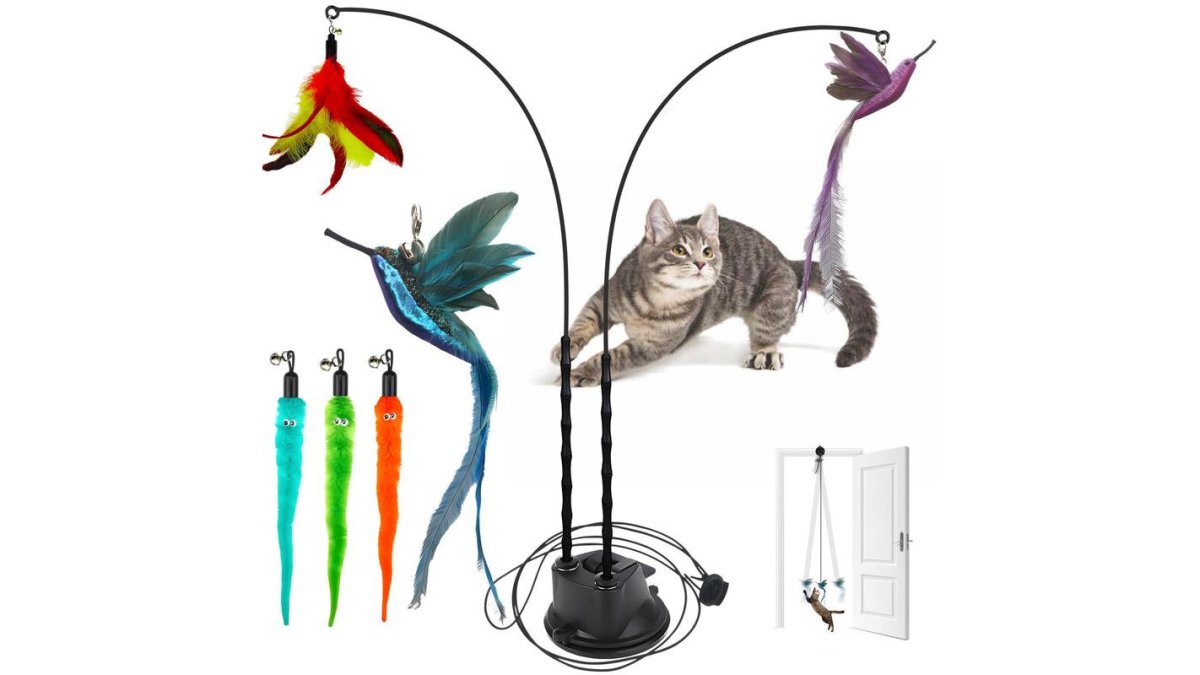
Wand toys with feather or string attachments work exceptionally well. The Interactive Cat Wand Set from PetNest Market includes two wands with six swappable feather attachments, so you can rotate toys to keep play fresh.

For cats that love solo play, the WhirlPlay UFO Teaser offers continuous engagement. This USB-rechargeable toy spins randomly to mimic real prey movement.
The FlutterChirp Cat Toy takes a different approach. Its realistic flapping wings and chirping sounds trigger hunting instincts powerfully. The touch-activated design means your cat controls the action. Catnip infusion adds extra motivation.
Timing play sessions around your cat's active periods
Cats are crepuscular, most active at dawn and dusk. This matters for play scheduling.
Plan your main interactive sessions during these natural active windows. Morning play before you leave for work and evening play when you return align with your cat's energy peaks.
Short sessions work better than long ones. Three 5-minute sessions beat one 15-minute marathon. Cats lose focus quickly and need breaks. Multiple short bursts keep them interested and prevent exhaustion.
Watch your cat's body language. Ears forward, tail up, and focused eyes signal readiness to play. A tucked tail, flattened ears, or yawning means stop. Respect these signals. Forcing play creates negative associations.
Indoor Cat Enrichment Ideas Beyond Basic Toys
Toys alone aren't enough. Enrichment includes climbing, exploring, and environmental stimulation. Variety prevents boredom and keeps activity levels high.
Vertical spaces and climbing opportunities
Cats naturally climb. Vertical space provides exercise, mental stimulation, and security. Cats feel safer when they can survey their territory from above.
Cat trees and wall-mounted shelves are essential enrichment tools. They satisfy climbing instincts and create multiple activity zones throughout your home.
Effective vertical setups include:
- Multi-level cat trees (6+ feet tall for maximum engagement)
- Wall-mounted shelves at varying heights
- Window perches that double as lookout spots
- Corner shelves that maximize small spaces
Place cat trees near windows when possible. This combines climbing with visual stimulation. Even in small apartments, floating shelves create vertical pathways that encourage movement and exploration.
Rotate shelf positions every few months. Changes in the environment keep cats curious and engaged.
Window perches for bird-watching and mental engagement
Windows are natural entertainment for indoor cats. Birds, squirrels, and outdoor movement provide hours of mental stimulation.
Window perches position cats comfortably for extended viewing. They're especially valuable in winter when outdoor activity is limited.
Set up perches at eye level so your cat doesn't strain their neck. Sunny window spots are ideal, warmth adds comfort and encourages use.
Consider what's visible outside. Feeders that attract birds create better entertainment than blank yards. Some cat parents place bird feeders just outside their cat's window. The action keeps indoor cats mentally engaged for hours.
Rotate window positions seasonally if you have multiple windows. Different views prevent monotony and maintain curiosity.
How to Exercise an Indoor Cat Daily
Daily exercise requires planning. Without structure, indoor cats slip into sedentary routines. A simple schedule prevents this.
Building a sustainable play schedule
Consistency matters more than intensity. A realistic routine you'll actually follow beats an ambitious plan you'll abandon.
Start with two 10-minute interactive play sessions daily. Morning and evening work best. This aligns with natural activity peaks and fits most schedules.
Your daily activity plan might look like:
| Time | Activity | Duration | Notes |
|---|---|---|---|
| 7:00 AM | Interactive wand play | 10 minutes | Before you leave for work |
| 12:00 PM | Puzzle feeder with treats | 5-10 minutes | Lunch break or midday break |
| 6:00 PM | Interactive play session | 10-15 minutes | Evening energy peak |
| 8:00 PM | Solo toy or enrichment | 5-10 minutes | Optional, wind-down play |
This schedule provides 30-45 minutes of activity spread throughout the day. It prevents the afternoon energy crash that leads to destructive behavior.
Adjust timing based on your cat's personality. Some cats are more active in the evening. Others prefer morning play. Watch your cat for three weeks and build around their natural rhythm.
WhirlPlay UFO Teaser – Smart USB-Powered Feather Toy for Endless Cat Fun →
Rotating toys to maintain curiosity
Cats get bored with the same toys. Toy rotation keeps play fresh and engagement high.
Divide your toy collection into groups. Rotate toys weekly or every two weeks. Put away toys for a period, then reintroduce them. Cats respond to "new" toys as if they've never seen them before.
This approach stretches your toy budget. You need fewer toys total because each one cycles through periods of novelty.
Effective rotation strategy:
- Keep 3-4 toys available at any time
- Store the rest in a closet or drawer
- Swap toys every 7-10 days
- Reintroduce toys after a 2-3 week break
Interactive toys like the Interactive Cat Wand Set work perfectly for rotation. Six different feather attachments mean you can vary play even within a single session.
Cat Puzzle Feeders and Food-Based Enrichment
Feeding time is opportunity for enrichment. Puzzle feeders combine nutrition with mental stimulation and activity.
Puzzle feeders slow eating, aid digestion, and engage hunting instincts. Your cat works for food instead of consuming it passively. This mimics natural hunting behavior.
The Interactive Puzzle Ball from PetNest Market dispenses treats or kibble as your cat rolls and plays it. It works with dry food, small treats, or catnip.
Start with easy puzzle feeders and gradually increase difficulty. New cats need to learn how to use them.
Use puzzle feeders for portion of daily food intake, not all of it. This prevents frustration while maintaining enrichment benefits.
Food-based enrichment works especially well for:
- Overweight cats needing activity incentives
- Anxious cats that benefit from focused tasks
- Multi-cat households where feeding creates competition
How to Keep a Cat Entertained While at Work
Working full days leaves indoor cats alone for extended periods. Boredom accelerates without planning.
Preparation before you leave sets up success. Provide enrichment that occupies your cat's time and mind.
Pre-work enrichment setup:
- Leave puzzle feeders filled with treats or kibble
- Position toys near windows for independent play
- Leave background music or cat-specific videos playing
- Ensure access to climbing spaces and perches
- Provide fresh water and clean litter box
Automated toys extend engagement. The WhirlPlay UFO Teaser runs on USB power and spins continuously, providing hours of entertainment.
 WhirlPlay UFO Teaser – Smart USB-Powered Feather Toy for Endless Cat Fun
Window perches become more valuable during work hours. Position one near bird feeders or windows with outdoor activity.
Puzzle feeders buy time. A well-designed puzzle feeder keeps cats occupied for 30-60 minutes. This breaks up the day and provides mental stimulation.
For cats with separation anxiety, consider these additions:
- Interactive cameras that let you play with your cat remotely
- Timed treat dispensers
- Cat-specific video content designed for solo viewing
Consistency matters. Cats adjust to predictable routines. If you leave at the same time daily and return at the same time, they adapt.
Measuring Activity Success and Adjusting Your Approach
How do you know if your cat gets enough activity? Watch for behavioral and physical signs.
Signs your cat is sufficiently active:
- Playful behavior during interactive sessions
- Use of climbing spaces and vertical areas
- Calm, relaxed behavior outside play times
- Healthy weight maintenance
- No destructive behaviors like excessive scratching or furniture damage
Signs your cat needs more enrichment:
- Excessive meowing or attention-seeking
- Destructive behavior or aggression
- Weight gain despite normal feeding
- Disinterest in toys or play
- Excessive grooming or other stress behaviors
Track activity patterns for two weeks. Note which toys your cat prefers. Observe when energy peaks occur. This data guides your enrichment strategy.
Adjust based on results. If your cat seems restless, increase playtime or add new toys.
Age matters. Kittens need more activity than senior cats. Senior cats benefit from shorter, gentler play sessions.
Keeping indoor cats active requires intentional effort, but the payoff is substantial. Active cats are healthier, happier, and better behaved.
Start with one strategy, interactive play, puzzle feeders, or climbing spaces. Build from there. Consistency matters more than perfection.
PetNest Market offers thoughtfully curated toys and enrichment products designed specifically to keep indoor cats engaged. From the Interactive Cat Wand Set to the FlutterChirp Cat Toy and Interactive Puzzle Ball, our collection supports every aspect of indoor cat enrichment.

Frequently Asked Questions
How much exercise does an indoor cat need each day?
Most indoor cats benefit from 15-30 minutes of active play spread across 2-3 short sessions daily. Short, regular play sessions work better than one long session because cats naturally hunt in bursts. Pay attention to your cat's age and health; kittens and younger adults may need more activity, while senior cats need gentler, shorter sessions. The goal is to see your cat breathing a bit harder after play and engaging their hunting instincts, which keeps them mentally sharp and physically fit.
What toys help indoor cats stay active?
Interactive toys that mimic prey movement work best: feather wands, laser pointers, and motion-activated toys trigger the chase and pounce instincts cats crave. The WhirlPlay UFO Teaser and FlutterChirp Cat Toy are excellent options because they move unpredictably and require active engagement. Puzzle feeders like the Interactive Puzzle Ball combine feeding with activity. Rotate toys every few days to prevent boredom. Cats lose interest in the same toy quickly, so variety keeps them engaged and curious over time.
How can I keep my cat entertained while I'm away?
Leave out puzzle feeders and treat-dispensing toys that keep cats mentally engaged for hours. The Interactive Puzzle Ball releases treats slowly as your cat plays, encouraging both physical activity and problem-solving. Set up window perches where your cat can watch birds and outdoor activity. Consider motion-activated toys or leaving on cat-safe background sounds or videos. For longer absences, rotate which enrichment toys are available so your cat encounters something fresh when you return. This prevents boredom and destructive behavior.
What should I do if my cat is understimulated?
Understimulated cats often show destructive behavior, excessive meowing, or weight gain. Start by adding interactive play sessions twice daily using wand toys or motion-based toys. Introduce vertical climbing spaces like cat trees or wall shelves to expand their indoor environment. Add puzzle feeders to turn mealtimes into mental challenges. Create window perches for bird-watching. If behavior doesn't improve within 2-3 weeks, consult your veterinarian to rule out health issues. Cats that lack adequate enrichment and exercise often develop behavioral or weight problems that are easier to prevent than fix.