

Table of Contents
- What Expired Pet Treats Look Like: Visual Warning Signs
- Smell and Texture: Detecting Spoilage Beyond the Date
- Understanding Expiration and Best-By Dates on Pet Treats
- How to Store Dog Treats to Keep Them Fresh
- Symptoms of Food Poisoning in Dogs After Eating Spoiled Treats
- Treat-Specific Inspection Checklist and When to Discard
- What to Do If Your Dog Eats a Questionable Treat
- Frequently Asked Questions
Last Updated: October 7, 2026
What Expired Pet Treats Look Like: Visual Warning Signs
The easiest way to spot expired pet treats is to look closely at what's in the package. Your eyes catch what your nose might miss. Visual clues tell you whether treats are still safe for your dog or cat.
Fresh treats should look uniform in color and texture. Any change from what you remember buying is a red flag. Discoloration, spots, or surface changes mean it's time to toss them.
Visible mold and mildew
Mold is the clearest sign that treats have gone bad. It appears as fuzzy growth, usually white, green, or black. Even a tiny spot means the entire package is contaminated.
Mildew looks similar but feels powdery rather than fuzzy. Both indicate moisture got into the package. Once mold or mildew appears, bacteria have likely spread throughout the treats.
Don't assume you can cut away the moldy part and feed the rest. Mold roots spread invisibly through food. Feeding moldy treats to your pet risks serious digestive upset.
Check treats in good light. Look at the surface and between pieces. If you see any fuzzy growth, discard the entire package immediately.
Discoloration and color changes
Color changes signal that treats are breaking down chemically. Fresh treats maintain consistent color. Fading, darkening, or patchy spots mean the ingredients are degrading.
Treats that look dull or grayish instead of vibrant have likely lost nutritional value. The fat in treats oxidizes over time, causing this dull appearance. Oxidized fat tastes rancid and can upset your pet's stomach.
Some treats naturally darken slightly with age. But dramatic color shifts, especially brown or black spots on light-colored treats, indicate spoilage. Compare the package to a fresh one if you're unsure.
Discoloration often appears near seams or edges where air exposure is greatest. These areas oxidize faster than the center of the package.
Smell and Texture: Detecting Spoilage Beyond the Date
Your nose is one of your best tools for catching expired pet treats before they reach your pet's mouth. Smell changes happen before visible mold appears. Trust your instincts if something seems off.
Texture tells another story. Fresh treats have a specific feel. Softness, crunchiness, or moisture level changes mean the treats are no longer fresh.
Rancid, sour, and unusual odors
Rancid odor is unmistakable once you've smelled it. It's sharp, musty, and unpleasant. Rancid treats contain oxidized fat that can cause digestive problems in dogs and cats.
Sour smells indicate bacterial growth or fermentation. This happens when moisture enters the package. Sour treats are definitely unsafe to feed.
Unusual odors that don't match the treat flavor are warning signs. If duck treats smell like vinegar or chicken treats smell musty, don't feed them. Your pet's digestive system is sensitive to spoiled food.
Open the package in a well-ventilated area. Lean in and smell directly. If the odor makes you wrinkle your nose, your pet shouldn't eat them.
Some treats naturally have strong smells. But spoiled treats smell distinctly different from fresh ones. After handling fresh treats, you'll recognize the difference immediately.
Texture changes that signal freshness loss
Treats that should be crunchy but feel soft have absorbed moisture. Moisture promotes mold growth and bacterial activity. Soft treats that were meant to be crispy are past their prime.
Treats that should be soft but feel hard or brittle have dried out excessively. While less dangerous than moisture, overly dry treats lose nutritional value. They may also crack your pet's teeth if they're too hard.
Greasy or oily texture on the surface means fat is separating and oxidizing. This creates that rancid smell. Greasy treats should be discarded.
Clumping or sticking together indicates moisture in the package. Treats that clump have likely been exposed to humidity. Even if they don't smell bad yet, moisture accelerates spoilage.
Feel a treat between your fingers. Fresh treats have consistent texture throughout. Crumbly, mushy, or unusually hard treats are past their safe window.
Understanding Expiration and Best-By Dates on Pet Treats
Dates on treat packages matter, but they don't tell the whole story. Expired pet treats aren't always unsafe immediately after the printed date.
Best-by dates indicate when treats are at peak freshness and flavor. After this date, quality declines.
Expiration dates are stricter. They indicate when the manufacturer guarantees safety. Feeding treats past the expiration date carries real risk.
Check the date before opening. Write the date you open the package on the container. Once opened, treats degrade faster because air exposure accelerates oxidation.
Storage conditions matter more than the date alone. Treats stored in a cool, dry place last longer than those exposed to heat and humidity.
If you can't find a date on the package, assume it's been on the shelf too long. Undated treats are risky. When in doubt, throw them out.
How to Store Dog Treats to Keep Them Fresh
Proper storage extends treat shelf life significantly. Where and how you store treats determines how long they stay safe and tasty.
Air exposure and moisture control
Air is the enemy of treat freshness. Oxygen causes fat oxidation, which creates rancid odors and unsafe treats. Keep treats in airtight containers after opening.
Resealable bags work well if sealed tightly. Clip bags shut with a bag clip or store them in an airtight container. Don't leave bags open on the counter.
Moisture is equally dangerous. Humid environments promote mold and bacterial growth. Store treats in a dry location away from the kitchen sink and dishwasher.
Use containers with tight lids. Glass containers work better than plastic for long-term storage. Plastic can absorb odors and allow small amounts of air exchange over time.
Silica gel packets help control moisture in storage containers. Add one to your treat container to keep humidity low. Replace packets every few months.
Temperature and humidity considerations
Heat speeds up spoilage dramatically. Store treats in a cool location, ideally below 70 degrees Fahrenheit. Avoid storing treats above the stove, near windows, or in direct sunlight.
Basements and pantries are ideal storage spots. Refrigerators work for opened packages if you seal them well. Some treats can go in the freezer for extended storage, but check packaging first.
Humidity should stay below 50 percent. Use a humidity monitor in your storage area. If humidity climbs above this level, move treats to a drier location.
Climate-controlled closets and cabinets are better than garages or outdoor sheds. Temperature and humidity fluctuate more in these spaces. Treats deteriorate faster in unstable conditions.
Cool, dry, dark, and sealed. This simple approach keeps treats fresh longer and safer for your pet.
Symptoms of Food Poisoning in Dogs After Eating Spoiled Treats
Knowing what to watch for helps you catch problems early. Not every dog shows symptoms immediately.
Vomiting is a common first sign. Your dog may vomit once or multiple times.
Diarrhea often follows. Loose stools may appear within hours or take up to 24 hours.
Lethargy or lack of energy indicates your dog feels unwell.
Loss of appetite is another warning sign. If your dog refuses food or treats after eating spoiled treats, something is wrong. Contact your vet.
Abdominal pain shows as whining, restlessness, or a hunched posture. Your dog may pace or refuse to lie down comfortably.
Fever sometimes accompanies food poisoning. You can't feel a fever by touch, but excessive panting or lethargy combined with other symptoms suggests fever.
Most mild cases resolve within 24 to 48 hours with rest and bland food. But severe cases require veterinary treatment.
Treat-Specific Inspection Checklist and When to Discard
Different treat types have different warning signs. Use this checklist before feeding any treat to your pet.
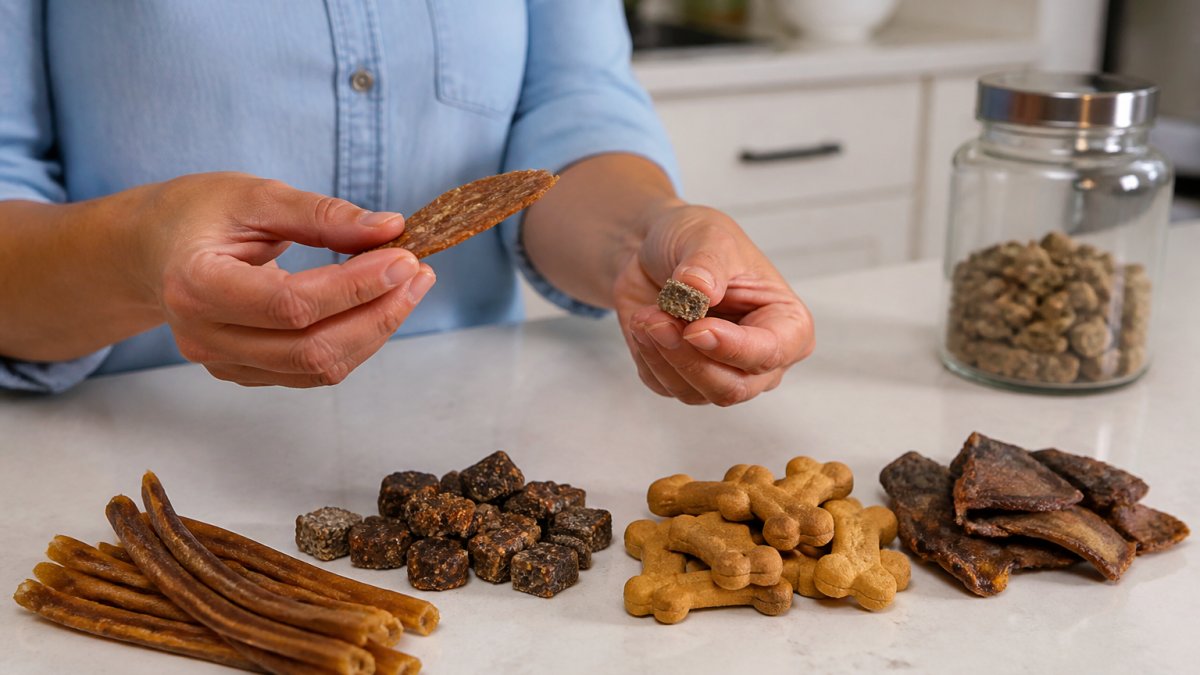
For all treats, check these items:
- Package seal is intact (no tears, punctures, or openings)
- No visible mold, mildew, or fuzzy growth
- Color is consistent with fresh treats
- No greasy or oily surface coating
- Smell is normal for the treat type (not rancid, sour, or musty)
- Texture matches what it should be (crunchy treats are crunchy, soft treats are soft)
- Date is current (not past best-by or expiration date)
- Treats don't clump together or feel damp
For soft/chewy treats specifically:
- No hard spots or crystallization
- Consistent soft texture throughout
- No separation of ingredients or filling
For crunchy/hard treats specifically:
- No soft or soggy spots
- Consistent crunch when bent
- No signs of moisture absorption
For freeze-dried or jerky treats:
- No discoloration or dark spots
- No brittleness or excessive crumbling
- Package shows no evidence of moisture
Discard treats immediately if:
- Mold or mildew is visible anywhere
- Rancid or sour smell is present
- Texture is mushy, overly soft, or greasy
- Color has changed dramatically
- Package has been open for more than 2 weeks
- Treat is past expiration date
- You feel uncertain about safety
When in doubt, throw it out. Your pet's health is worth the cost of replacing questionable treats. Fresh treats are always the safer choice.
What to Do If Your Dog Eats a Questionable Treat
Accidents happen. Your dog might eat a treat you didn't realize was spoiled. Here's what to do.
Immediately after discovery:
Call your veterinarian. Describe the treat and how long it's been since your dog ate it.
Don't panic. Many dogs eat slightly spoiled treats without serious problems.
In the first few hours:
Watch your dog closely for symptoms. Note the time you discovered the problem.
Offer fresh water. Hydration helps your dog's system process and eliminate contaminants. Don't force water, but make it easily available.
Skip the next meal or offer bland food like plain cooked chicken and rice.
Over the next 24 to 48 hours:
Monitor eating, drinking, and bathroom habits. Any vomiting, diarrhea, or behavior changes warrant a veterinary call.
Keep your dog calm and rested. Activity can make digestive upset worse.
When to seek immediate veterinary care:
- Severe or bloody diarrhea
- Repeated vomiting
- Signs of abdominal pain (whining, hunching, restlessness)
- Lethargy that doesn't improve
- Fever or excessive panting
- Difficulty eating or drinking
- Any symptom that worsens over time
Most cases of eating slightly spoiled treats resolve without treatment.
At PetNest Market, we understand how worrying this situation is.
Keeping your pet healthy starts with knowing what's safe to feed. Signs of expired pet treats are preventable if you store treats properly and inspect them regularly. Our carefully selected treats, including options like Mini Training Rewards Grain-Free Duck with Bacon Treats and Tiki Cat Stix Wet Treats, are made with premium ingredients.

Frequently Asked Questions
How long are dog treats good for after their expiration date?
Most dog treats should not be fed after the expiration date printed on the package. Once that date passes, fat oxidation accelerates and harmful bacteria can develop. Unopened packages may stay safe slightly longer if stored in cool, dry conditions, but opened packages degrade faster due to air exposure. When in doubt, discard the treats rather than risk digestive upset or illness in your dog.
What are the physical signs that pet treats have gone bad?
Look for visible mold, mildew, or discoloration on the treats. Smell for rancid, sour, or unusual odors that differ from the treat's normal scent. Check the texture: treats that have become greasy, overly dry, or crumbly may indicate spoilage. If the treat feels damp or sticky when it should be firm, or if the package shows signs of moisture or air exposure, it's time to discard them.
Can I give my dog expired treats?
No, expired treats carry real health risks. After the expiration date, fats in the treats can become rancid through oxidation, and bacteria may grow. Your dog could experience digestive upset, vomiting, diarrhea, or more serious stomach discomfort. Even if the treat looks and smells normal to you, spoilage can occur invisibly. Always follow the manufacturer's date and store treats properly to maintain freshness and safety.
How long after eating spoiled treats will a dog show symptoms?
Symptoms of food poisoning in dogs can appear within hours or up to 24-48 hours after eating spoiled treats. Watch for vomiting, diarrhea, loss of appetite, lethargy, or stomach discomfort. If your dog shows any of these signs after eating a questionable treat, contact your veterinarian. The severity depends on your dog's size, immune system, and the level of contamination in the treat.