

Table of Contents
- Why Dogs Get Anxious During Grooming
- How to Calm an Anxious Dog During Grooming
- Low-Noise Grooming Equipment That Reduces Anxiety
- Soothing Grooming Tools That Double as Massage
- Best Calming Treats for Grooming
- Dog Grooming Desensitization Techniques
- Quick Comparison: Calming Tools at a Glance
- Common Mistakes to Avoid When Grooming Anxious Dogs
- Frequently Asked Questions
Last Updated: September 30, 2026
Why Dogs Get Anxious During Grooming
Dogs experience anxiety during grooming primarily due to loud equipment noise, unfamiliar sensations, loss of control, sensory overload, past negative experiences, or naturally anxious temperaments. Understanding these factors is crucial when using calming tools for dog grooming.
Stress signals such as trembling, panting, or escape attempts indicate genuine distress. The right tools and techniques can transform grooming into a calm experience.
How to Calm an Anxious Dog During Grooming
The best calming tools for dog grooming combine environmental management (soft lighting, minimal noise, non-slip surfaces), gentle equipment, and behavioral support. Staying relaxed and moving slowly are essential, as dogs can sense your tension. Using calming tools for dog grooming effectively eases anxiety.
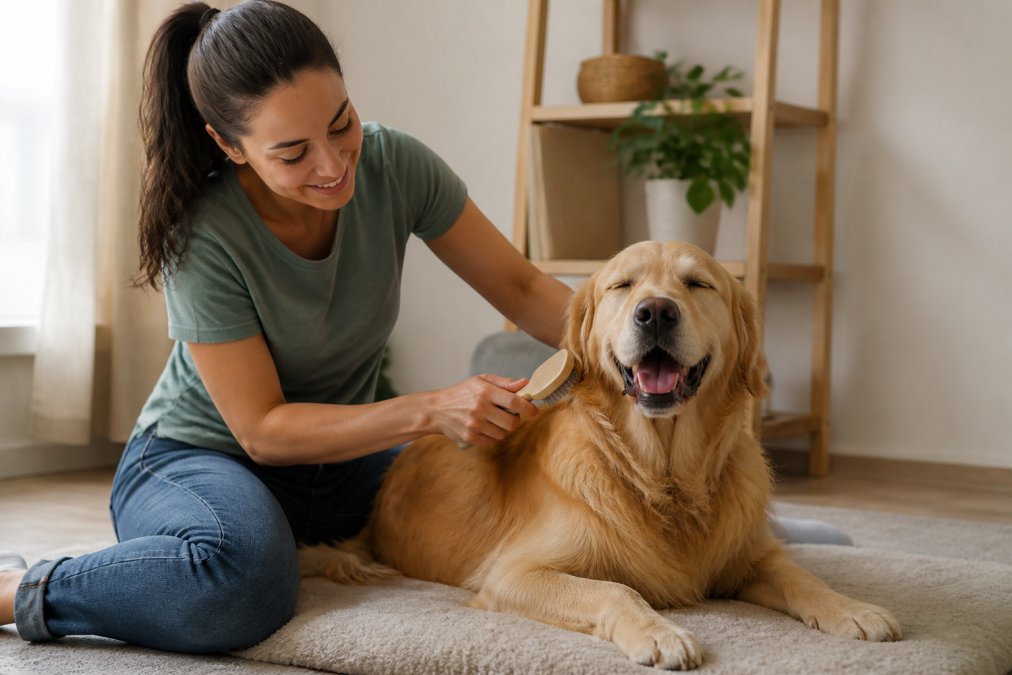
Keep grooming sessions brief—5-10 minutes for anxious dogs. Immediately reward calm behavior. Stop if your dog begins to panic; wait until they settle before resuming. This teaches them they maintain control.
Employ gentle, slow strokes and speak in a calm voice throughout the grooming process. Consider playing soft background music to mask equipment noise for dogs sensitive to sound. By integrating these calming tools for dog grooming, you can effectively enhance the grooming environment.
Low-Noise Grooming Equipment That Reduces Anxiety
Noise sensitivity is a major trigger for grooming anxiety. Traditional clippers can exceed 80 decibels; switching to quieter equipment can dramatically reduce stress. Utilizing the right calming tools for dog grooming will often alleviate anxious responses.
Quiet Electric Trimmers
The PawTrim Pro™ 4-in-1 Electric Pet Grooming Kit ($91.95) features a whisper-quiet motor, rechargeable cordless design, and ergonomic grip for better control, making it ideal for nervous pets.

Paired with positive reinforcement, quiet electric trimmers often eliminate the primary stress trigger within a few sessions.
Hand Scissors for Sensitive Dogs
The Dog Scissors Set ($48.54) eliminates noise entirely and features curved shears for detailed work, making them ideal for highly anxious dogs. Hand scissors take longer but offer quieter operation and better control around sensitive areas like the face.
Soothing Grooming Tools That Double as Massage
Some grooming tools serve double duty by combining hair removal with massage benefits, thereby reducing anxiety and building a positive grooming association. Incorporating soothing tools as part of your calming tools for dog grooming can create effective outcomes.
Steam and Spray Brushes
The FluffEase™ 4-in-1 Pet Steam Brush ($4.95) releases gentle steam while brushing, softening the coat with soft silicone bristles that feel like a massage. This is one of the ideal calming tools for dog grooming, especially for dogs with sensitive skin.

Steam brushes are effective for dry or sensitive skin, providing gentle warmth that calms anxious dogs. Detachable parts simplify cleanup, making these tools convenient for grooming.
Silicone Grooming Brushes
The Silicone Pet Grooming Fur Brush ($9.90) features soft bristles that massage while removing loose fur, improving circulation and promoting a shiny coat. This brush can be used early in the grooming process to help anxious dogs relax before using more invasive tools.
Best Calming Treats for Grooming
Calming treats can create positive grooming associations and reduce stress when properly timed and paired with behavioral techniques. Understanding the best calming tools for dog grooming involves knowing when and how to use treat rewards effectively.
Understanding Calming Ingredients
Evidence-supported calming ingredients include L-theanine (promotes relaxation without sedation), chamomile (mild anxiolytic), and magnesium (supports the nervous system). These ingredients can be valuable as part of a complete plan using calming tools for dog grooming.
L-theanine works within 30-60 minutes without impairing responsiveness to commands, allowing your dog to learn that grooming is safe. Sedating supplements can hinder long-term anxiety reduction and should be avoided.
Chamomile works best as part of a longer-term routine, while magnesium requires consistent use over several weeks to show effects.
Timing and Dosing for Grooming Sessions
Administering L-theanine treats 20-30 minutes before grooming is ideal for peak effectiveness during the session. Chamomile treats should be used consistently at the same time daily for 3-5 days before grooming to build a cumulative calming effect.
Always follow manufacturer dosing guidelines based on your dog's weight, and consult your veterinarian if your dog is on other medications.
High-Value Treats as Behavioral Reinforcement
High-value treats, such as cheese or chicken, can reward calm behavior during grooming. Keep treat pieces small (1-2 seconds to consume) while being valuable enough to motivate cooperation during the grooming sessions. This approach is part of an effective strategy utilizing calming tools for dog grooming.
Reward specific calm behaviors, such as staying still and allowing trimming, to create a positive feedback loop where cooperation leads to immediate rewards. Rotating high-value treats maintains novelty and prevents desensitization to reward value.
Avoiding Common Treat-Related Mistakes
Avoid giving large meals or treats before grooming; instead, utilize small pieces (pea-sized for small dogs, marble-sized for large dogs) spaced throughout the session. It's crucial not to rely on treats alone for severe anxiety; pairing treats with desensitization, quiet equipment, and environmental management will yield the best results.
Choose treats with whole-food ingredients and minimal additives, avoiding fillers, artificial colors, and high sugar content.
Dog Grooming Desensitization Techniques
Desensitization is the most effective long-term solution, rewiring your dog's emotional responses through repeated, controlled exposure to grooming scenarios, ultimately creating lasting behavioral change. Employing calming tools for dog grooming within this framework can increase effectiveness.
The Four-Phase Desensitization Protocol
Phase 1: Tool Familiarization (Days 1-7)
Begin by leaving grooming equipment on the floor near your dog. Allow them to investigate at their own pace and reward curiosity to eliminate the novelty and associated threat perception. Handling tools around your dog without actual usage is key to this step.
Turn on clippers briefly in another room, rewarding calm behavior without overwhelming them. Repeat this for a week, taking 2-3 weeks if your dog has previous negative experiences, as rushing may create setbacks.
Phase 2: Sound Desensitization (Days 8-21)
Start exposing your dog to grooming sounds with equipment in another room set to the lowest volume. Gradually move closer, rewarding calm behavior throughout. Increase duration slowly, and if any anxiety arises, revert to previous distances or durations.
For severe noise sensitivity, soft music or white noise can initially help mask grooming sounds, gradually reducing their use over time.
Phase 3: Touch and Handling (Days 22-35)
Progress to touching your dog gently with the tools. This should begin with gentle strokes and controlled exposure. Reward immediately for calmness while slowly progressing to more sensitive areas.
Keep grooming sessions to a maximum of 2-3 minutes initially. It's more important to maintain routine through regular short sessions than to allow infrequent lengthy ones.
Phase 4: Functional Grooming (Days 36+)
Start actual grooming on a small scale, focusing on specific areas one at a time, followed by immediate rewards. Gradually expand coverage across subsequent sessions. Keeping comfort in mind while using calming tools for dog grooming is essential for positive experiences.
Creating a Trigger Hierarchy
It's essential to identify specific grooming triggers that most significantly trigger your dog's anxiety. Common hierarchies include:
- Sound-based triggers: Clippers (loudest) > dryer > scissors > brush (quietest)
- Touch-based triggers: Paws and ears (most sensitive) > face > undercarriage > back and shoulders (least sensitive)
- Duration-based triggers: Long sessions > medium sessions > short sessions
Timeline Expectations and Plateaus
Desensitization timelines vary but typically begin to see improvement within 2-3 weeks of daily practice, extending to 8-12 weeks for some dogs. Factors such as breed, age, previous trauma, and individual temperament influence results.
Pairing Desensitization with Other Tools
Desensitization works best when paired with environmental management (quiet space, soft lighting) and tools like low-noise clippers. This combination helps dogs transition more smoothly into grooming scenarios.
When to Seek Professional Help
Consult a professional if your dog shows no improvement after 6-8 weeks of consistent desensitization, or if their anxiety escalates to aggression or panic attacks. Some dogs may require behavioral intervention or medication beyond what owner-led efforts can achieve.
Quick Comparison: Calming Tools at a Glance
| Tool | Type | Price | Best For | Key Benefit |
|---|---|---|---|---|
| FluffEase™ Steam Brush | Soothing tool | $4.95 | Anxious dogs, dry skin | Gentle massage + moisture |
| Silicone Grooming Brush | Soothing tool | $9.90 | Sensitive dogs | Soft bristles, calming sensation |
| Hair Removal Spray Comb | Electric tool | $5.76 | Anxious dogs | Rechargeable, massaging design |
| Dog Scissors Set | Hand tool | $48.54 | Noise-sensitive dogs | Quiet, precise, includes curved shears |
| PawTrim Pro™ Trimmer | Electric tool | $91.95 | Moderate to advanced grooming | Whisper-quiet motor, cordless |
Common Mistakes to Avoid When Grooming Anxious Dogs
The most significant mistake is rushing the process. Anxious dogs need time to adjust and build trust. Forcing them through grooming quickly creates a lasting fear of the experience. Patience is key for providing an optimal grooming environment.

Frequently Asked Questions
What calms a dog down during grooming?
Multiple approaches work together: use low-noise grooming tools like the PawTrim Pro quiet trimmer, introduce soothing brushes that feel like massage, and pair grooming with positive reinforcement strategies. Environmental calm matters too; groom in a quiet space, speak softly, and take breaks as needed. Desensitization training weeks before grooming can yield significant benefits in a dog's confidence.
How can I desensitize my dog to grooming tools?
Start weeks before actual grooming sessions. Allow your dog to see and smell the tools without imposing use. Gradually introduce gentle contact while giving treats and praise. Turn on electric trimmers near them without contact, rewarding calm behavior. This gradual method reduces fear responses, establishing positive associations with grooming equipment.
What are the best calming treats for dogs when grooming?
Calming treats can help reduce anxiety before grooming. However, relying solely on treats may not alleviate deeper anxiety issues. It's wise to pair them with low-noise tools and effective desensitization training for optimal results. Always consult your veterinarian before introducing new supplements or treats, notably if your dog is on medications.
Are pheromone sprays effective for grooming anxiety?
Pheromone-based products, such as Adaptil, may help some dogs feel calmer, but results can vary. They are most effective as part of a broader strategy integrating low-noise grooming tools, positive reinforcement, and a tranquil environment. Applying the spray to the grooming area or your dog's collar before the session is often recommended.