

Table of Contents
- Why Automatic Feeders Matter for Busy Pet Parents
- What to Look for When Choosing an Automatic Feeder
- Automatic Cat Feeder with Timer: Precision for Feline Routines
- Automatic Dog Feeder with Timer: Dependable Feeding for Canine Companions
- Automatic Feeder for Multiple Pets: Managing Different Schedules
- Automatic Feeder for Wet Food: Freshness and Safety Considerations
- Common Mistakes to Avoid with Automatic Feeders
- Keeping Your Pet Healthy and Happy with Automatic Feeding
- Frequently Asked Questions
Last Updated: October 15, 2026
Why Automatic Feeders Matter for Busy Pet Parents
Feeding your pet on a consistent schedule is one of the most important things you can do for their health. This is where the best automatic feeders for busy owners step in.

An automatic feeder is a device that dispenses measured portions of dry food at preset times, ensuring your pet eats on schedule whether you're home or not.
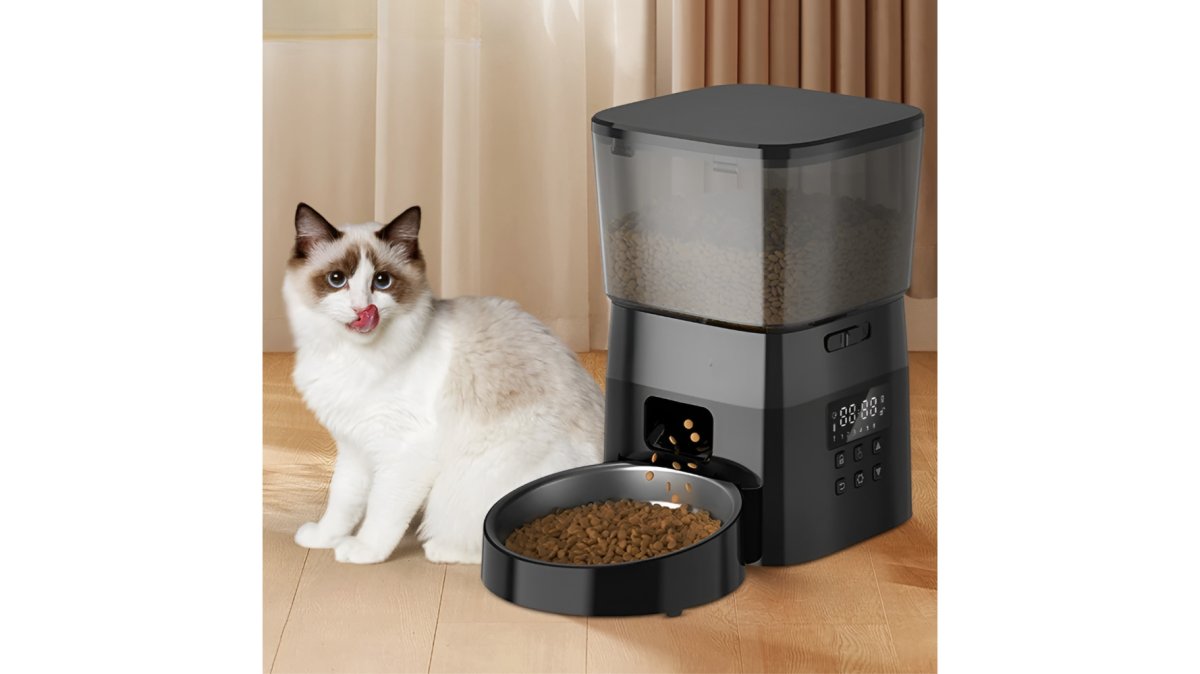
The stakes are higher than convenience. Pets on irregular feeding schedules often develop anxiety, particularly when they anticipate meals that don't arrive on time. An automatic feeder removes that uncertainty. Your pet knows food arrives at 7 AM and 6 PM, regardless of your schedule.
At PetNest Market, we understand that busy owners need solutions they can trust. The right automatic feeder should be reliable, easy to set up, and designed specifically for your pet's needs, whether that's a cat or a small to medium dog.
What to Look for When Choosing an Automatic Feeder
Not all automatic feeders are created equal. The difference between a feeder that works flawlessly for years and one that jams after two months often comes down to a handful of specific features.
Portion Accuracy and Food Dispensing
The core job of an automatic feeder is simple: dispense the right amount of food at the right time. But executing that consistently is harder than it sounds.
Look for a feeder that lets you set portion sizes in small increments, ideally in grams or ounces. A feeder that only offers preset portion sizes (like "small" or "large") will force you to work around your pet's actual dietary needs rather than meeting them precisely. Many pet owners find that portion control directly impacts their pet's weight and energy levels.
The dispensing mechanism matters tremendously. Some feeders use a rotating carousel or drum to release food. Others use a sliding gate. The best designs have anti-jam technology built in, a feature that prevents food from getting stuck even if kibble sizes vary or moisture accumulates inside. If you've ever had a feeder jam and your pet miss a meal, you know why this matters.
Capacity and Hopper Size
How often are you willing to refill the food container? If you travel frequently or have a large dog, a small hopper becomes a liability.
Feeders with larger food storage capacity mean fewer refills. Some hold enough for several days; others can stretch to a week or more depending on your pet's appetite. A practical approach: choose a capacity that matches your typical absence period. If you're usually home but occasionally travel for three days, a mid-sized hopper works. If you're away every weekend, go larger.
Keep in mind that kibble size affects how much actually fits. A hopper rated for "5 pounds" might hold significantly less if you're using larger kibble pieces. Check the specifications against your actual food brand and size.
Reliability and Anti-Jam Technology
An automatic feeder that fails occasionally is worse than no automatic feeder at all. You're relying on it to care for your pet while you're unavailable.
The most common failure point is jamming. This happens when kibble gets stuck in the dispensing mechanism, preventing food from coming out. Anti-jam systems use different approaches: some have wider dispensing chutes, others have agitators that keep food moving, and the best designs combine multiple safeguards.
Before purchasing, look for feeders that have been tested over extended periods. Real-world reliability, not just lab conditions, tells you whether the design holds up when you actually need it. Read reviews specifically mentioning long-term use, not just first impressions.
Automatic Cat Feeder with Timer: Precision for Feline Routines
Cats are creatures of habit, and they're often pickier about their feeding schedules than dogs. An automatic cat feeder with timer needs to respect that precision while accommodating the smaller portion sizes cats typically require.
Cats generally do well with multiple small meals throughout the day. A quality automatic cat feeder should allow you to program 2-4 feeding times daily with portion control accurate enough to measure out 1/4 cup or less.
The design should also account for cats' tendency to investigate their food containers. A feeder with a secure, stable base prevents tipping or spilling. Some cats are aggressive eaters and will nudge or push a lightweight feeder around your floor.
Food freshness is another consideration specific to cats. Because cats eat smaller portions, food sits in the bowl longer than it would for a dog. Look for a feeder with a removable bowl that's easy to clean daily, preventing food from drying out or attracting bacteria.
The Smart Auto Pet Feeder from PetNest Market offers easy button controls and precise portion settings, making it ideal for cat owners who need reliable, scheduled feeding without complexity.
Automatic Dog Feeder with Timer: Dependable Feeding for Canine Companions
Dogs are generally more forgiving about feeding schedules than cats, but that doesn't mean an automatic dog feeder with timer should be any less reliable. Dogs on consistent schedules actually show fewer behavioral issues and better digestion (pubmed.ncbi.nlm.nih.gov).
For dogs, the main variables are size and appetite. A small dog might need 1/2 to 1 cup per meal, while a large dog could need 3-4 cups.
Dogs also tend to be enthusiastic about food. A sturdy, heavy-based feeder that won't slide across the floor under an excited dog's nose is practical. Some owners place feeders in corners or against walls to minimize movement.
The dispensing mechanism should handle standard kibble sizes without jamming. Most dog kibble is larger than cat kibble, so verify that the feeder's chute and carousel are designed for the size you're using.
Backup power is worth considering. A feeder with a battery backup continues to function during power outages, ensuring your dog still eats on schedule even if the electricity goes out. For owners in areas with frequent outages, this is a practical safeguard.
Automatic Feeder for Multiple Pets: Managing Different Schedules
Households with multiple pets face a unique challenge: each animal may need different portions, different food types, or different feeding times. An automatic feeder for multiple pets needs to handle this complexity without becoming a nightmare to manage.
Some multi-pet feeders use microchip access control, where each pet wears a collar tag that unlocks the feeder only for them.
Alternatively, you can use multiple single-pet feeders set to different schedules. This approach is simpler but requires more counter or floor space and more refilling. It's effective if your pets eat at different times or in different locations.
If your pets eat the same food and have compatible portions, a single large-capacity feeder with multiple daily dispensing cycles can work. Program it to dispense at times when each pet typically eats, and supervise initially to ensure the arrangement actually works.
The key is matching the feeder solution to your household's actual dynamics. If one pet guards food aggressively, microchip access control is worth the investment. If your pets coexist peacefully around food, a simpler setup suffices.
Automatic Feeder for Wet Food: Freshness and Safety Considerations
Wet food presents challenges that dry kibble doesn't. An automatic feeder for wet food must keep food fresh, prevent spoilage, and dispense without drying out the meal.
Most automatic wet-food feeders use refrigerated compartments to keep food at safe temperatures between meals. Without refrigeration, wet food left at room temperature becomes a breeding ground for bacteria within hours.
Portion control with wet food is trickier than with dry food because consistency varies. Some wet foods are chunky, others are pâté-like. A feeder designed for wet food should have a mechanism that handles this variability without jamming or leaving food behind.
Cleaning is critical. Wet food residue dries and hardens, making it difficult to clean if not addressed promptly. Choose a feeder with removable, dishwasher-safe components. Daily cleaning prevents bacterial growth and keeps your pet's food safe.
One practical limitation: wet-food feeders typically have smaller capacity than dry-food feeders because of refrigeration requirements. You'll refill more often. Plan for this if you're considering switching from dry to wet food with an automatic feeder.
Common Mistakes to Avoid with Automatic Feeders
The most common mistake is buying a feeder based on price or appearance without testing it first. A cheap feeder that jams after three weeks costs more in frustration and pet stress than a reliable mid-range option.
Another frequent error is overestimating your pet's ability to adapt to a new feeding method. Some pets are suspicious of automatic feeders initially. They may not eat from an unfamiliar device for the first few days.
Underestimating portion sizes is another pitfall. Many owners set portions based on what they think their pet needs rather than what the veterinarian recommends. Automatic feeders make it easy to overfeed because you're not handling the food yourself, you don't visually register how much you're dispensing.
Neglecting maintenance causes preventable failures. Food dust accumulates inside feeders, potentially causing jams. Clean the hopper and dispensing mechanism weekly, even if the feeder appears clean. Check the batteries in battery-powered models monthly.
Finally, don't assume one feeder works for all situations. A feeder that's perfect for your weekday routine might not handle weekend travel. Have a backup plan, either a second feeder, a pet sitter, or a boarding facility, for extended absences.
Keeping Your Pet Healthy and Happy with Automatic Feeding
Automatic feeders are tools that support your pet's health, not replacements for attentive pet ownership. The feeder ensures consistent meal timing, but you still need to monitor your pet's weight, energy, and overall condition.
Watch for changes in appetite or behavior after introducing an automatic feeder. Some pets thrive immediately; others need adjustment time.
Use the feeder as part of a broader routine. Regular playtime, exercise, and interaction remain essential. A well-fed pet on a consistent schedule is healthier, but a fed pet without enrichment or attention is still an understimulated pet.
Regular vet checkups help you catch any issues early. Your veterinarian can confirm that your pet's weight and digestion are healthy with your current feeding setup.
The best automatic feeder is one you trust completely, one that hasn't jammed, that dispenses accurately, and that fits naturally into your life. When you find that feeder, it genuinely does change how you manage your pet's care.
At PetNest Market, we believe every pet deserves reliable, consistent care, even when life gets busy.
Finding the right automatic feeder removes one significant source of stress from pet ownership.
Frequently Asked Questions
What is the best automatic pet feeder for busy owners?
The best automatic feeder depends on your pet's needs and your routine. Look for models with accurate portion control, reliable dispensing, and a capacity that matches how long you're away. The Smart Auto Pet Feeder offers precise portions, anti-jam technology, and works for cats and small to medium dogs, making it a solid choice for owners who need consistent, hassle-free feeding whether at work or away for the weekend.
Can automatic feeders keep food fresh throughout the day?
Dry food stored in a sealed hopper stays fresh for extended periods, but wet food requires different handling. Dry-food feeders with large hoppers can store meals for days, though opening the hopper daily exposes kibble to air. Wet food spoils quickly and is best served fresh; most automatic wet-food options are designed for shorter intervals or require refrigeration between feedings. For busy owners, dry-food feeders are the more practical choice for all-day freshness.
How do I know if an automatic feeder is reliable when I'm away?
Reliability depends on anti-jam mechanisms, backup power options, and user reviews about real-world performance. Choose feeders with anti-clog technology to prevent jams, and check whether they have battery backup for power outages. Test your feeder with short absences first, a few hours while you're out, before relying on it for full workdays. Models with durable materials and simple designs tend to be more dependable than overly complex smart feeders.
Can one automatic feeder feed multiple pets with different schedules?
Some feeders can accommodate multiple pets, but managing different schedules on a single device is challenging. Microchip-access feeders allow only specific pets to eat, useful if you have cats and dogs or need to control food stealing. However, if your pets require different meal times or portion sizes, separate feeders are more reliable. For multi-pet households, consider your pets' feeding routines before choosing a single feeder solution.